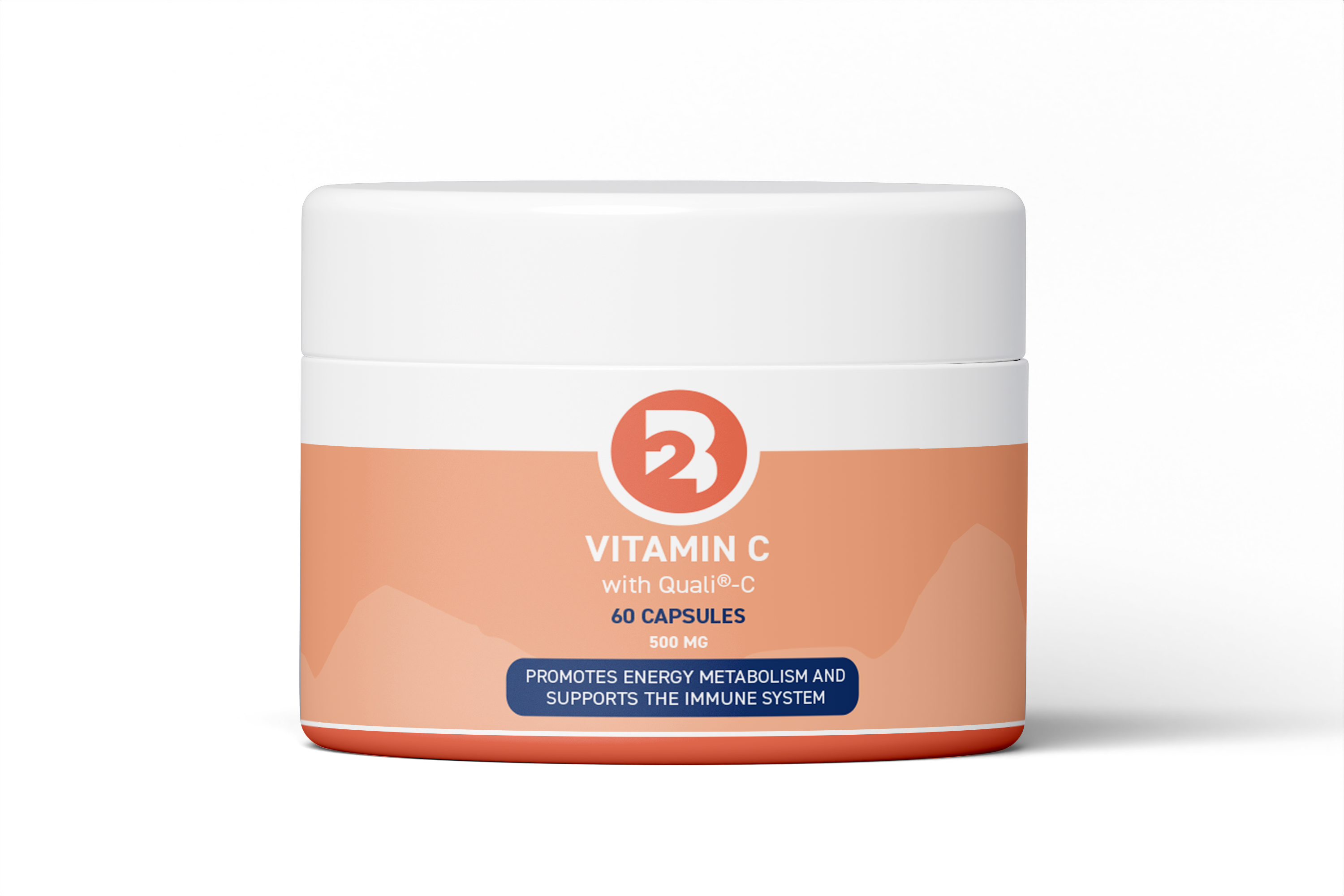

Vitamin C is one of the best-known vitamins, but do you know just how important it is for your body?
From supporting your immune system to helping your body produce collagen and absorb iron, vitamin C plays a role in several essential biological processes. Whether you are an athlete, lead an active lifestyle or simply want to take better care of your health, getting enough vitamin C is an important part of a balanced diet.
Let's explore the benefits of vitamin C, how much you need and whether taking a vitamin C supplement makes sense.
What is vitamin C?
Vitamin C, also known as ascorbic acid, is an essential water-soluble vitamin. Unlike some animals, humans cannot produce their own vitamin C. We therefore need to obtain it regularly through food or supplementation.
Because it is water-soluble, the body does not store large amounts of vitamin C. A consistent daily intake is therefore important.
Good natural sources of vitamin C include:
- Citrus fruits such as oranges and lemons
- Kiwi and strawberries
- Red and green peppers
- Broccoli and Brussels sprouts
- Blackcurrants and other berries
A varied diet rich in fruit and vegetables is generally the best foundation for meeting your daily vitamin C requirements.
7 important benefits of vitamin C
Vitamin C contributes to several important functions in the human body. Here are seven reasons why this essential nutrient deserves attention.
1. Vitamin C supports your immune system
One of the best-known benefits of vitamin C is its contribution to the normal functioning of the immune system.
Vitamin C is involved in several processes that help maintain your body's natural defence mechanisms, including the normal function of immune cells.
Maintaining an adequate vitamin C intake is therefore an important part of supporting your immune health.
2. Vitamin C protects cells against oxidative stress
Your body naturally produces free radicals during everyday metabolic processes and physical activity.
When free radicals become excessive, they can contribute to oxidative stress.
Vitamin C is an antioxidant that contributes to the protection of cells from oxidative stress.
This is particularly relevant for people with active lifestyles, as exercise temporarily increases oxidative processes in the body.
3. Vitamin C supports collagen production
Collagen is the most abundant protein in the human body and an essential structural component of connective tissue.
Vitamin C contributes to normal collagen formation, which is important for the normal function of:
- Skin
- Bones
- Cartilage
- Gums
- Teeth
- Blood vessels
This makes vitamin C an important nutrient for maintaining normal connective tissue and supporting the body's structural functions.
4. Vitamin C helps your body absorb iron
Iron is an essential mineral involved in oxygen transport and energy metabolism.
Vitamin C increases the absorption of non-haem iron, the form of iron found primarily in plant-based foods.
Combining vitamin C-rich foods with sources of plant-based iron, such as lentils, beans and spinach, can therefore help improve iron absorption.
5. Vitamin C contributes to normal energy metabolism
Vitamin C contributes to normal energy-yielding metabolism and the reduction of tiredness and fatigue.
It is therefore an important nutrient for people who want to maintain an active lifestyle and support their everyday nutritional needs.
6. Vitamin C supports normal nervous system function
Vitamin C contributes to the normal functioning of the nervous system and normal psychological function.
These are essential processes involved in everyday physical and mental functioning.
7. Vitamin C supports the regeneration of vitamin E
Vitamin C also contributes to the regeneration of the reduced form of vitamin E.
This means the two vitamins are involved in complementary antioxidant processes within the body.
Together, they form part of the body's natural antioxidant defence system.
How much vitamin C do you need per day?
Your daily vitamin C requirements depend on factors such as age, sex, lifestyle and individual circumstances.
For reference, the US recommended daily allowance for adults is:
- Women: 75 mg per day
- Men: 90 mg per day
Smokers generally require an additional 35 mg per day.
In Europe, the reference intake used for food labelling is 80 mg per day. This is a labelling reference value, not necessarily an individual daily requirement.
Some researchers suggest that an intake of around 200 mg daily may help optimise vitamin C levels in healthy adults. However, this is not an established requirement for everyone.
More is not necessarily better. High doses may cause digestive discomfort, and the US adult upper intake level is 2,000 mg per day from all sources.
Vitamin C, exercise and an active lifestyle
Physical activity is associated with increased metabolic activity and the production of free radicals.
Your body has natural antioxidant defence mechanisms to help manage these processes.
Vitamin C contributes to the protection of cells against oxidative stress and supports normal immune system function.
For people who exercise regularly, eat a varied diet and pay attention to their nutritional intake, vitamin C is one of the essential micronutrients worth considering.
The goal is not simply to consume more vitamins, but to ensure your body receives the nutrients it needs to function normally.
Vitamin C and the common cold: what does science say?
Vitamin C is often associated with the common cold. But what does scientific research actually tell us?
Research suggests that regular vitamin C supplementation may slightly shorten the duration of colds and reduce symptom severity.
However, taking vitamin C after cold symptoms have started does not consistently prevent or shorten a cold.
Some studies have also identified potential benefits for people exposed to extreme physical stress, such as endurance athletes.
The important takeaway is that maintaining adequate vitamin C levels contributes to normal immune system function, but vitamin C supplements should not be considered a treatment or cure for infections.
Are you getting enough vitamin C?
Most people can obtain sufficient vitamin C through a balanced diet containing plenty of fruit and vegetables.
However, dietary habits and lifestyle choices can influence nutritional intake.
People who eat limited amounts of fresh produce or follow restrictive diets may find it more difficult to meet their daily requirements.
A pilot study conducted in the Netherlands ahead of the BoostYourVitality programme also identified low vitamin C levels in some participants.
This highlights why understanding your nutritional intake is an important part of looking after your health.
Should you take a vitamin C supplement?
A vitamin C supplement can be a convenient way to complement your daily diet, particularly when your food intake does not consistently provide enough vitamin C.
You may consider supplementation if:
- You eat limited amounts of fruit and vegetables.
- Your diet lacks variety.
- You want a convenient way to meet your daily vitamin C requirements.
- You have specific nutritional needs discussed with a healthcare professional.
The most important thing is to combine supplementation with a varied, balanced diet and a healthy lifestyle.
If you take medication, have an existing medical condition or are considering high-dose supplementation, consult your doctor or pharmacist first.
Choosing a quality vitamin C supplement
Not all supplements are the same. When choosing a vitamin C supplement, consider:
- Ingredient quality: Look for clearly identified vitamin C ingredients.
- Dosage: Check how much vitamin C each serving provides.
- Transparency: Choose products with clear ingredient lists and nutritional information.
- Quality assurance: Look for reputable ingredient suppliers and reliable manufacturing standards.
- Convenience: Choose a format that fits naturally into your daily routine.
At SupportYourPerformance, we believe that good nutrition starts with quality ingredients, scientific knowledge and practical solutions that fit into everyday life.
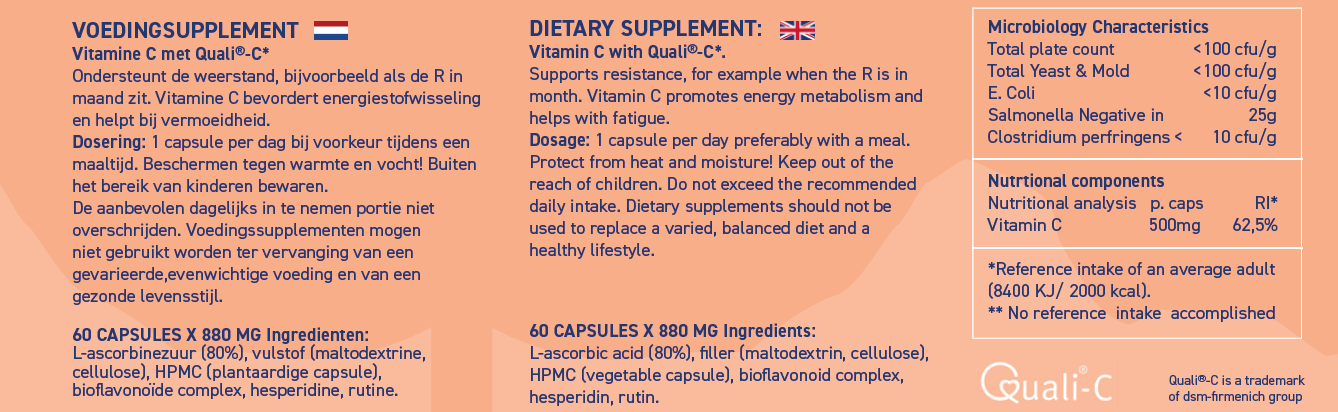
Discover our Vitamin C Capsules with Quali®-C, featuring vitamin C from a recognised European ingredient source.
Make vitamin C part of your daily nutrition routine
Vitamin C may be a small nutrient, but it plays an important role in many essential processes in your body.
From supporting your immune system and protecting cells against oxidative stress to contributing to collagen formation and iron absorption, vitamin C deserves a place in a balanced nutritional routine.
Whether you are working towards better everyday health, maintaining an active lifestyle or supporting your sports performance, small and consistent nutritional choices matter.
Support your health. Support your performance.
Scientific references
- Calder, P. C., Carr, A. C., Gombart, A. F., & Eggersdorfer, M. (2020). Optimal nutritional status for a well-functioning immune system is an important factor to protect against viral infections. Nutrients, 12(4), 1181. https://doi.org/10.3390/nu12041181
- European Commission. Regulation (EU) No 432/2012 establishing a list of permitted health claims made on foods.
- European Food Safety Authority (EFSA). Dietary Reference Values for vitamin C.