
Wondering how much omega-3 per day you actually need? If you're not getting enough omega-3 fatty acids, you're not alone. A recent study led by researchers at the University of East Anglia in Norwich, UK, found that three-quarters of the world's population is not meeting recommended intakes.
How much omega-3 per day do adults need? (EPA and DHA)
The most commonly recommended omega-3 daily intake for adults is 250 mg per day of combined EPA and DHA, with higher amounts recommended during pregnancy and breastfeeding. EPA and DHA are the long-chain omega-3 fatty acids found mainly in oily fish, seafood and algae.
At 250 mg per day, EPA and DHA contribute to the normal function of the heart, and DHA contributes to the maintenance of normal brain function and vision.
What did the study find?
Published at the end of 2025, the study analyzed national guidelines for omega-3 intake across 100 countries and compared them with actual consumption. Based on this comparison, the researchers found that 76% of the population is not meeting the recommended daily intake.
Omega-3 fatty acids are essential nutrients: your body needs them but cannot make enough on its own. Plant foods provide ALA, which the body converts into EPA and DHA only in small amounts, so direct sources of EPA and DHA matter.
What are the best sources of omega-3?
One to two servings of oily fish per week, such as salmon, mackerel, trout or sardines, is a common guideline and the most efficient way to get EPA and DHA. They can be eaten fresh, frozen or canned. However, as the study's authors note, meeting recommendations through diet alone can be challenging.
Plant sources of ALA. Flaxseeds, chia seeds, walnuts, canola and flaxseed oil, soybeans, soy milk and tofu all provide ALA. They are healthy foods, but because conversion to EPA and DHA is low, they may not cover your EPA and DHA needs on their own.
Fortified foods. Some eggs, yogurts, milks and frozen foods now contain added DHA or omega-3, which can help increase intake.
Algae oil supplements (a vegan omega-3 source). If you follow a plant-based diet or rarely eat fish, a supplement can help. Algae oil is a direct source of EPA and DHA (the source fish get theirs from), which makes it suitable for vegans and vegetarians. Flaxseed-based supplements provide ALA only.
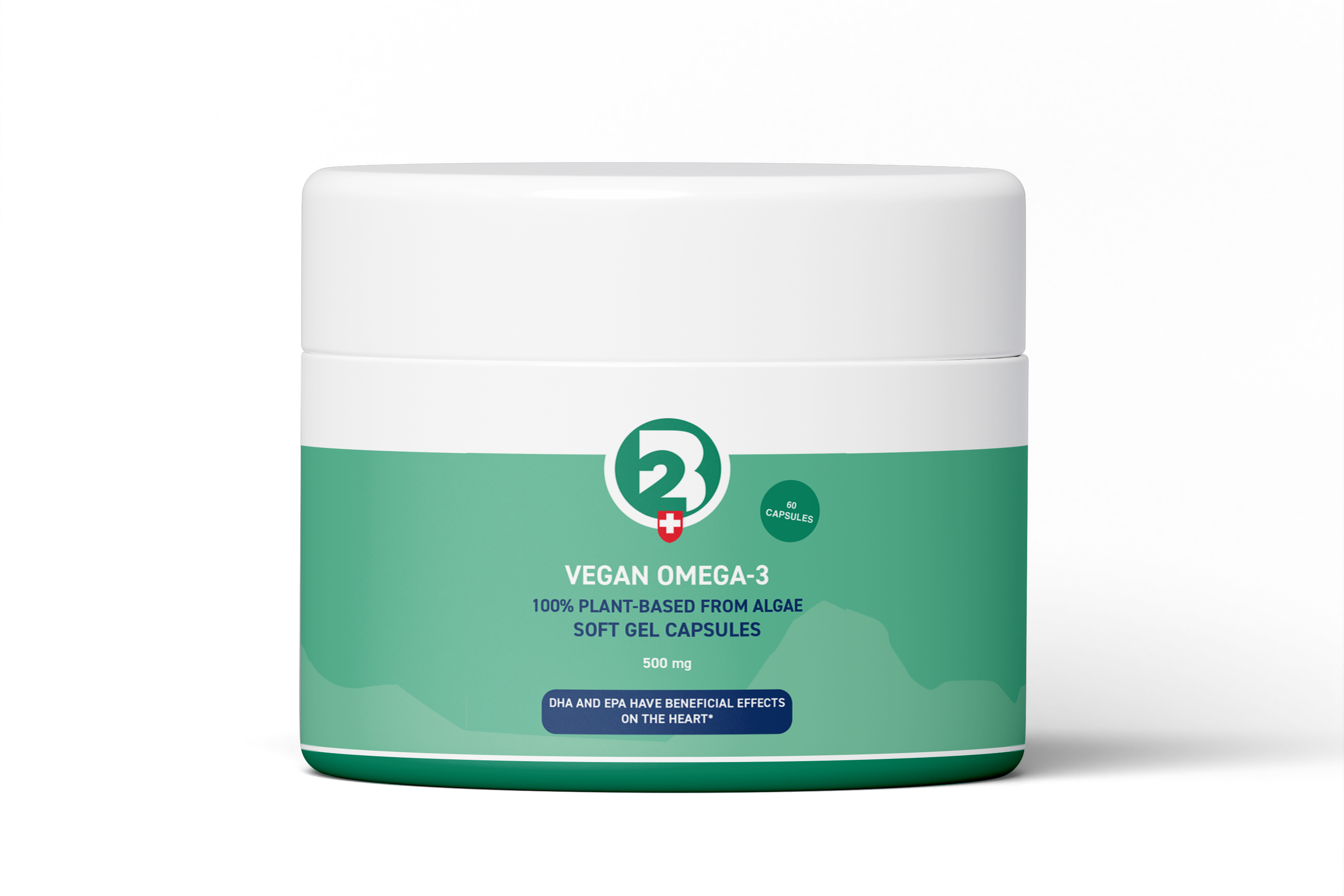
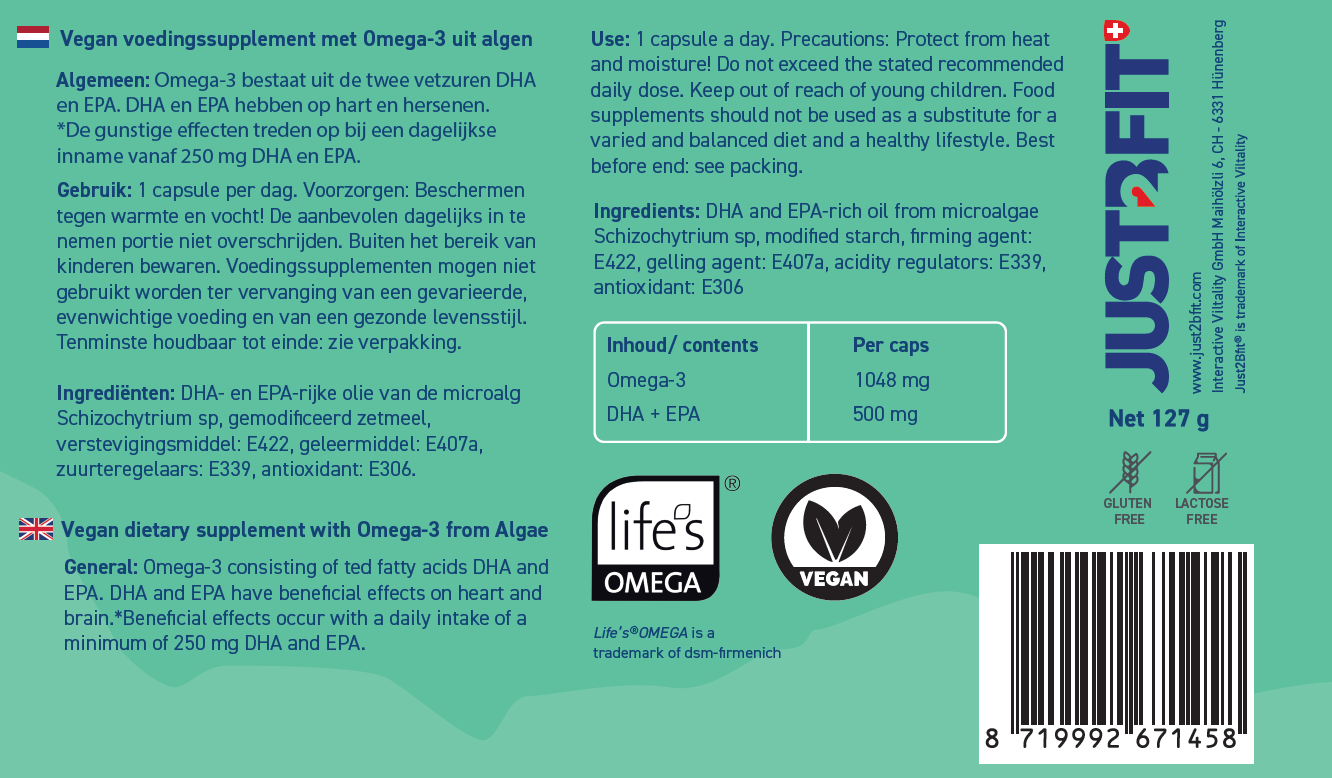
When choosing a supplement, check the amount of EPA and DHA per serving. Our Vegan Omega-3 Soft Capsules provide EPA and DHA from algae oil. Each capsule provides 1048 mg of omega-3, including 500 mg of EPA and DHA combined, from algae oil.
What about the omega-6 to omega-3 balance?
Modern diets tend to contain much more omega-6 than omega-3. Omega-6 fatty acids are not harmful, and they are also essential. Researchers continue to debate the ideal ratio, but the practical advice is the same: make sure you are getting enough EPA and DHA.
The takeaway
With so many people falling short, omega-3 deserves closer attention. A few simple swaps, such as adding oily fish to your weekly meals, or a daily algae-oil supplement if you don't eat fish, can help you reach the recommended omega-3 dose of 250 mg of EPA and DHA a day.
References
- Calder PC, Cawood AL, James C, Page F, Putnam S, Minihane AM. An overview of national and international long chain omega-3 polyunsaturated fatty acid intake recommendations for healthy populations. Nutrition Research Reviews. 2026;39:e6. doi:10.1017/S0954422425100279