
When it comes to athletic performance, training, sleep, protein and hydration get most of the attention. New research suggests another part of the picture deserves a closer look: omega-3 fatty acids.
A recent study of almost 600 highly trained, elite and world-class athletes across 17 sports found that many had low omega-3 intake and low blood levels. That raises a practical question for athletes, coaches and sports nutritionists: are the omega-3 basics being covered?
What did the study find?
The study, published in Sports Medicine – Open (Macartney et al., 2026), examined 595 Australian athletes from sports including rugby, cricket, football, skiing, swimming, cycling and basketball. Researchers measured each athlete's omega-3 status from a small blood sample (the Omega-3 Index) and asked them to report their dietary habits. The results were striking:
- Only 7% of the athletes had an Omega-3 Index of 8% or higher, the level researchers describe as optimal.
- 72% reported consuming less than 500 mg of EPA and DHA per day.
- Athletes who reported using omega-3 supplements tended to have higher Omega-3 Index values.
It's important to be clear about what the study does not show. It indicates that low omega-3 status is common among athletes. It does not show that increasing omega-3 intake will directly improve performance or recovery.
Why might omega-3 matter for athletes?
EPA and DHA are long-chain omega-3 fatty acids found in oily fish and algae. Researchers are exploring their role in the body's response to exercise, including muscle soreness and recovery, but this evidence is still developing. The study's authors see omega-3 as a practical area worth exploring, not a proven performance aid.
What is well established is that EPA and DHA contribute to the normal function of the heart (beneficial effect at a daily intake of 250 mg), and that DHA contributes to the maintenance of normal brain function and normal vision (beneficial effect at a daily intake of 250 mg DHA). Both matter for an athlete's long-term health, during and after their sporting career.
How much EPA and DHA do athletes need?
There is no separate official target for athletes. EFSA, the European Food Safety Authority, suggests at least 250 mg of combined EPA and DHA per day for healthy adults, and needs may be higher for people with specific circumstances. The study used 500 mg per day as a reference point, and most athletes fell below it. For a closer look at daily amounts, read How Much Omega-3 Do You Need Per Day?
This is not only an athlete issue. Roughly three in four people worldwide do not meet recommended omega-3 intakes. Even highly trained athletes, who pay close attention to nutrition, can have gaps.
How can athletes get enough omega-3?
Eat oily fish. One to two servings a week of salmon, mackerel or sardines is a common guideline.
Consider algae oil. Fish get their EPA and DHA from algae, so algae oil is a direct source that suits vegan and vegetarian athletes.
Think about a supplement. If you rarely eat fish or follow a plant-based diet, an omega-3 supplement may be worth discussing with a sports dietitian or healthcare professional. When comparing products, check the amount of EPA and DHA per serving, not just the total oil or "omega-3" figure.
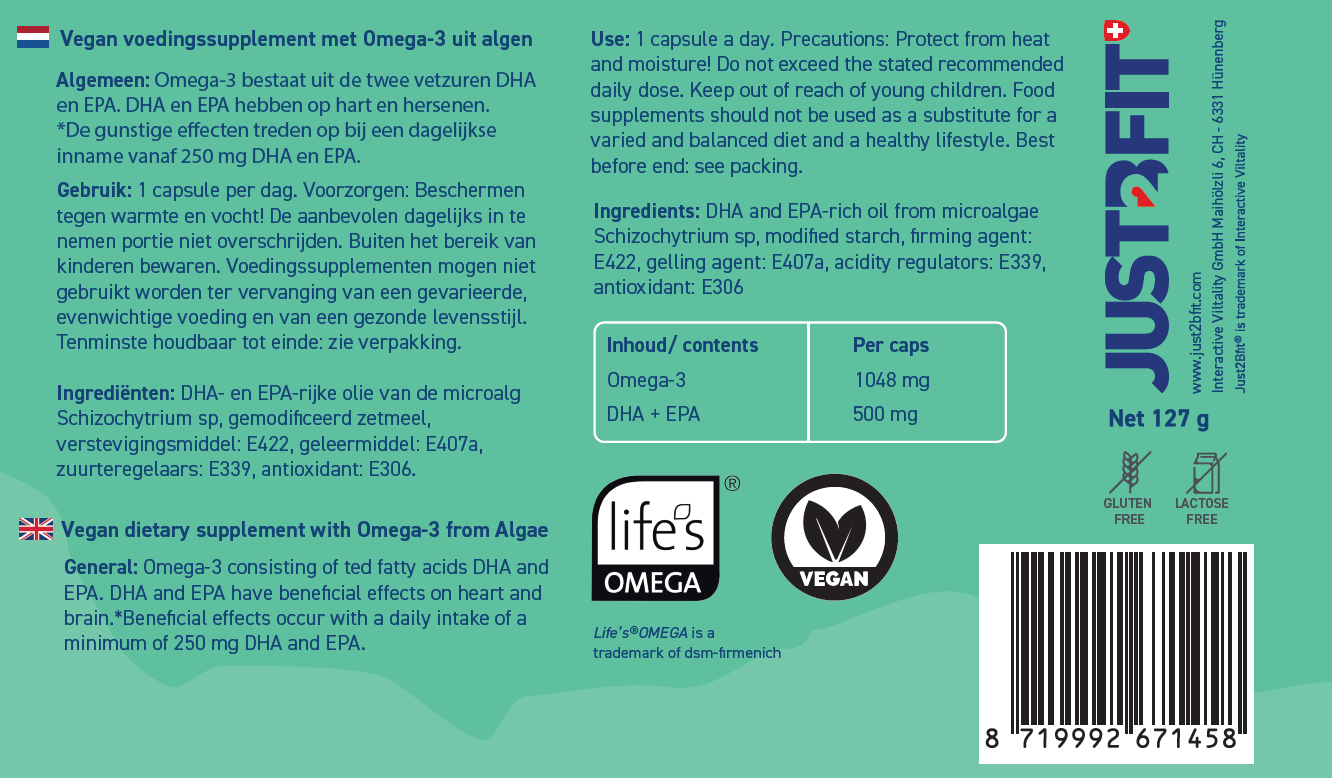
Our Vegan Omega-3 Soft Capsules provide EPA and DHA from algae oil in a daily capsule. Each capsule provides 1048 mg of omega-3, including 500 mg of EPA and DHA combined, from algae oil. Food supplements should not replace a varied, balanced diet.
The key takeaway
The findings are a useful reminder that even elite athletes can have nutritional gaps. They don't point to a new shortcut to better performance. They point to the importance of getting the foundations right. Omega-3 fatty acids are one part of that foundation, helping athletes stay healthy during, and long after, their sporting careers.
References
- Macartney, M.J., Anthony, R., Craddock, J. et al. The Omega-3 Index and Self-Reported Dietary Intake of DHA and EPA in Highly Trained, Elite and World Class (Tier 3–5) Male and Female Athletes: An Australian Based Cross-sectional Study. Sports Med - Open 12, 103 (2026). doi:10.1186/s40798-026-01070-5